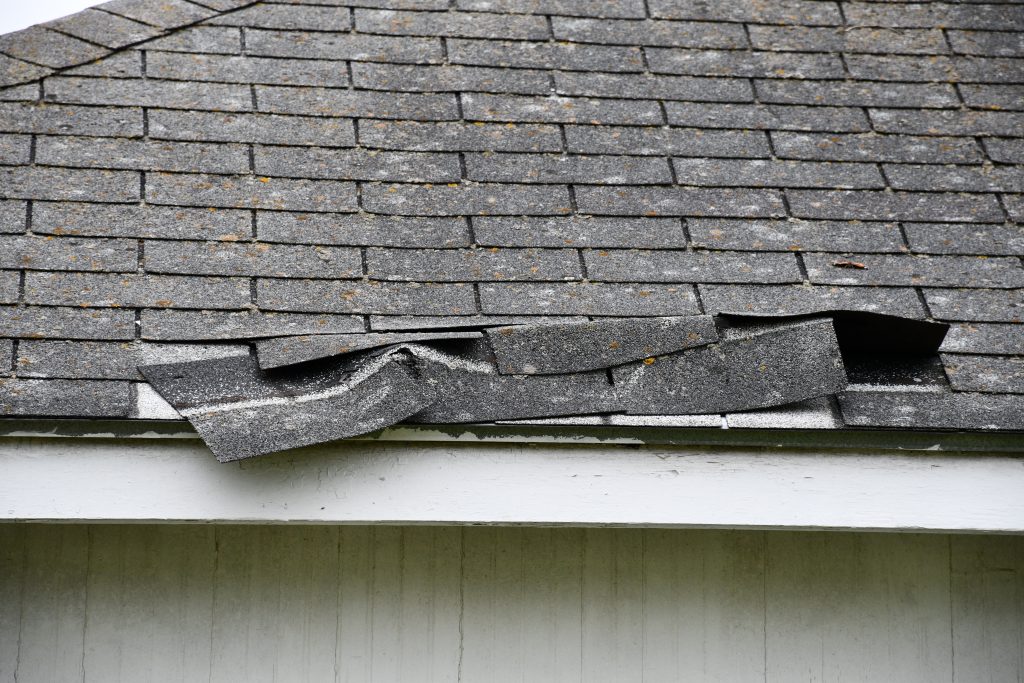
Roofing Insurance Claims Terms 101
Understanding roofing insurance claims can feel overwhelming, especially when you are already dealing with storm damage or an unexpected leak. Many homeowners find themselves sorting through unfamiliar terminology while trying to move their project forward quickly. Knowing what these terms mean makes the process smoother and helps you communicate clearly with your insurance provider and contractor. This guide breaks down the most common terms used in roofing insurance claims so you can approach your claim with confidence and clarity.
Why Do Roofing Insurance Terms Matter?
Insurance companies rely on specific language to describe coverage, damage, and payment. These terms directly impact how much compensation you receive and what your policy actually covers. Homeowners who understand roofing insurance claims terminology often feel more in control during inspections, adjuster visits, and contractor discussions. You gain the ability to ask better questions and make informed decisions about repairs or replacement.
Common Roofing Insurance Claims Terms Explained
What Is a Deductible?
A deductible refers to the amount you must pay out of pocket before your roofing insurance coverage begins. If your deductible is $1,500 and your roof repair totals $10,000, your insurance provider covers the remaining $8,500. Policies often list deductibles as either a flat amount or a percentage of your home’s insured value. Many homeowners discover percentage-based deductibles after storm damage, which can significantly affect project costs. Reviewing this number before filing roofing insurance claims prevents surprises later in the process.
Note: Homeowners in Colorado should also understand an important legal requirement tied to roofing insurance claims. Under Colorado Senate Bill 38, now codified at Colorado Revised Statutes § 6-22-105, roofing contractors cannot pay, waive, or rebate any portion of a homeowner’s insurance deductible. This law exists to protect consumers and maintain fair insurance practices. If a contractor offers to cover your deductible, that should raise a red flag, as it violates state regulations and could put your claim at risk.
Paying your deductible is a required part of the insurance process, and working with a reputable contractor ensures your roofing insurance claims stay compliant and on track.
What Does Actual Cash Value (ACV) Mean?
Actual Cash Value reflects the depreciated value of your roof at the time of damage. Insurance companies calculate ACV by subtracting wear and age from the replacement cost. Older roofs typically receive lower ACV payouts because insurers factor in years of use. This means your initial payment may not fully cover replacement costs, especially if your roof has already experienced normal aging. Many roofing insurance claims begin with an ACV payment before additional funds become available.
What Is Replacement Cost Value (RCV)?
Replacement Cost Value represents the total cost to replace your roof with similar materials at current market prices. Unlike ACV, RCV does not subtract depreciation. Many policies include RCV coverage, but insurance companies often release funds in stages. You may receive an initial ACV payment, followed by the remaining balance once repairs are complete and documented. Understanding this structure helps you plan your project timeline and budget.
What Is Depreciation?
Depreciation accounts for the aging and wear of your roofing system. Insurance providers use it to reduce the initial payout under ACV policies. Roofing materials lose value over time due to exposure to weather, temperature changes, and general use. Asphalt shingles, for example, may have a lifespan of 20 to 30 years, and insurers calculate depreciation based on that timeline. This factor plays a major role in roofing insurance claims and often determines how much you receive upfront.
What Is a Roof Insurance Supplement?
A roof insurance supplement is a request for additional funds when the original insurance estimate does not fully cover the cost of repairs or replacement. This often happens during roofing insurance claims when damage is missed, hidden issues are discovered, or code-required upgrades come into play. Contractors submit supplements with updated documentation to ensure the full scope of work is properly covered and completed without cutting corners.
Key Claim Process Terms You Should Know
What Is an Insurance Adjuster?
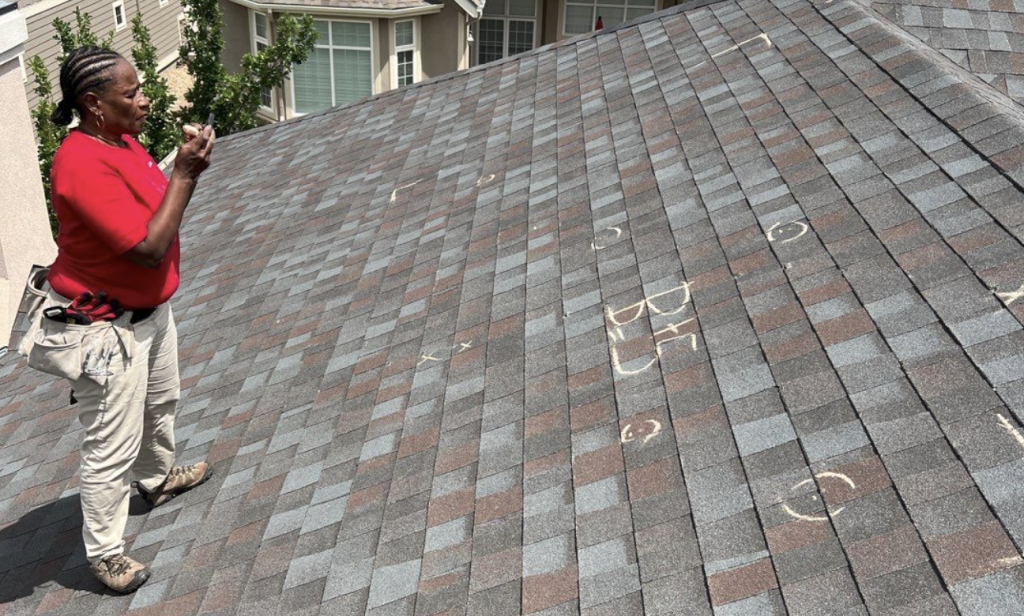
An insurance adjuster evaluates your roof damage on behalf of your insurance company. They inspect the property, document findings, and determine how much the insurer will pay. Adjusters may work directly for the insurance company or as independent contractors. Their report influences your claim outcome, which makes it important to have a roofing professional present during the inspection. Clear communication during this step can prevent overlooked damage or inaccurate assessments.
What Is a Scope of Loss?
The scope of loss outlines the work required to repair or replace your roof. This document includes measurements, materials, labor costs, and other project details. Insurance companies rely on this report to estimate claim value. Contractors also use it to ensure all necessary repairs are addressed. Reviewing the scope carefully ensures nothing important gets missed during roofing insurance claims.
What Is a Proof of Loss?
A proof of loss is a formal statement submitted to your insurance company detailing the extent of damage and the amount you are claiming. This document often includes supporting evidence like photos, contractor estimates, and receipts. Filing an accurate proof of loss helps keep your claim on track and reduces the risk of disputes. Many policies require submission within a specific timeframe, so acting promptly is important.
Coverage Terms That Affect Your Claim
What Are Policy Limits?
Policy limits define the maximum amount your insurance company will pay for a covered loss. These limits vary based on your policy and coverage selections. If your roof replacement cost exceeds your policy limit, you become responsible for the remaining balance. Reviewing these limits before damage occurs helps you understand your level of protection.
What Is an Exclusion?
An exclusion refers to situations or types of damage your insurance policy does not cover. Common exclusions include wear and tear, poor maintenance, and certain weather events, depending on your location. Understanding exclusions helps you avoid denied roofing insurance claims. Regular roof maintenance and inspections can also reduce the risk of uncovered damage.
What Is a Claim Denial?
A claim denial occurs when your insurance company decides not to cover the reported damage. Denials may result from exclusions, insufficient evidence, or policy limitations. Homeowners can appeal denied roofing insurance claims by providing additional documentation or requesting a second inspection. Working with an experienced contractor often strengthens your case during this process.
When to Call a Professional When Filing a Roofing Insurance Claim
A qualified roofing contractor plays an important role in the claims process. Trusted, local contractors like J&K Roofing document damage, provide detailed estimates, help you meet insurance deadlines, and communicate directly with adjusters. Professional support helps ensure your roofing insurance claims reflect the full extent of damage. Contractors also identify hidden issues that may not appear during a basic inspection, a level of detail that often leads to more accurate claim outcomes and fewer delays.
Take the First Step Toward a Stress-Free Roofing Claim by Calling J&K Roofing
Roof damage creates enough stress on its own, and understanding roofing insurance claims should not add to that burden. J&K Roofing works with homeowners throughout Denver and surrounding areas to simplify the claims process and ensure every detail receives proper attention. Our team provides thorough inspections, accurate documentation, and guidance from start to finish so you feel confident every step of the way.
Schedule your inspection with J&K Roofing today and get the support you need to move your roofing insurance claim forward with clarity and peace of mind.