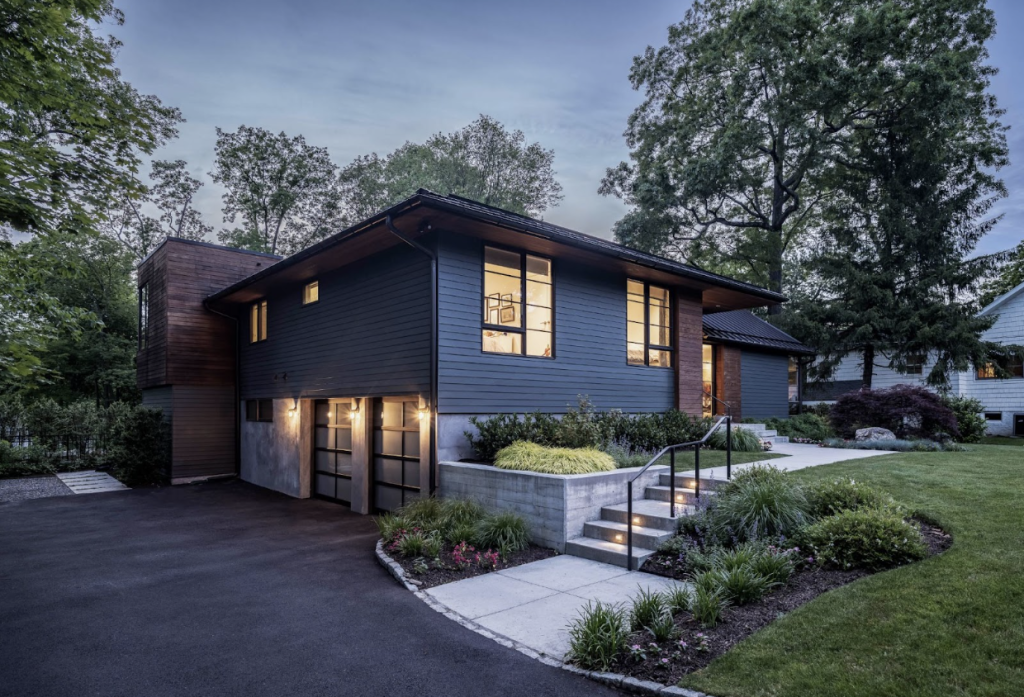
How Siding Protects Your Home from the Elements
Colorado homeowners understand just how unpredictable the weather can be. One day brings sunshine, and the next brings high winds, freezing temperatures, or a sudden hailstorm. In this kind of climate, the right siding plays a major role in keeping your home safe and comfortable. Durable siding is one of the most important features protecting your home from moisture, wind, and temperature swings that are common throughout the Denver metro area. Here is how quality siding stands up to the elements and why it should be a top priority for protecting your property.
Shielding Your Home from Moisture and Water Damage
Colorado sees plenty of snow in the winter and thunderstorms in the warmer months. That moisture can become a serious problem if your home isn’t sealed properly. Siding acts as the first line of defense between your home’s internal structure and the moisture outside.
Water intrusion can lead to wood rot, mold growth, and damage to insulation. These problems aren’t always visible right away, but they can become expensive to fix over time. Durable siding materials like James Hardie fiber cement or LP SmartSide are built to resist moisture absorption. They don’t swell, warp, or crack easily when exposed to water, which helps preserve the integrity of your home’s exterior walls. Properly installed siding, along with a high-quality moisture barrier, prevents water from creeping behind the panels.
Battling Colorado’s Powerful Winds
High winds are common in the foothills of Colorado. Strong gusts can pull at poorly secured siding or cause brittle materials to crack or break away. Durable siding holds firm under pressure. Steel siding and premium vinyl siding options from Norandex are engineered to resist high wind speeds, helping your home remain sealed and protected when gusts pick up. James Hardie fiber cement siding is also tested for wind resistance and performs well in storm-prone regions. The way siding is installed also makes a difference. A professional installation ensures that seams are properly sealed and panels are securely fastened, reducing the risk of wind damage. If siding panels get loose, wind can tear them off completely and expose the underlayment or sheathing, which makes the home more vulnerable.
Insulating Against Temperature Swings
Colorado’s climate is known for quick shifts in temperature. It’s not unusual to see a 40-degree swing in the span of a single day. Without proper insulation, those temperature changes can creep inside, causing discomfort and higher energy bills. Quality siding helps regulate indoor temperatures by adding an extra layer of insulation. It slows down the transfer of heat and cold, keeping your home warmer in winter and cooler in summer. This means your HVAC system doesn’t have to work as hard, which can lead to energy savings over time. Some siding options, like insulated vinyl, come with a built-in foam backing that boosts thermal performance. Others, like fiber cement or wood siding, work well when paired with a well-installed house wrap and additional wall insulation. Durable siding protects from outside forces while also supporting the overall energy efficiency of your home.
Keeping Pests and Insects Out
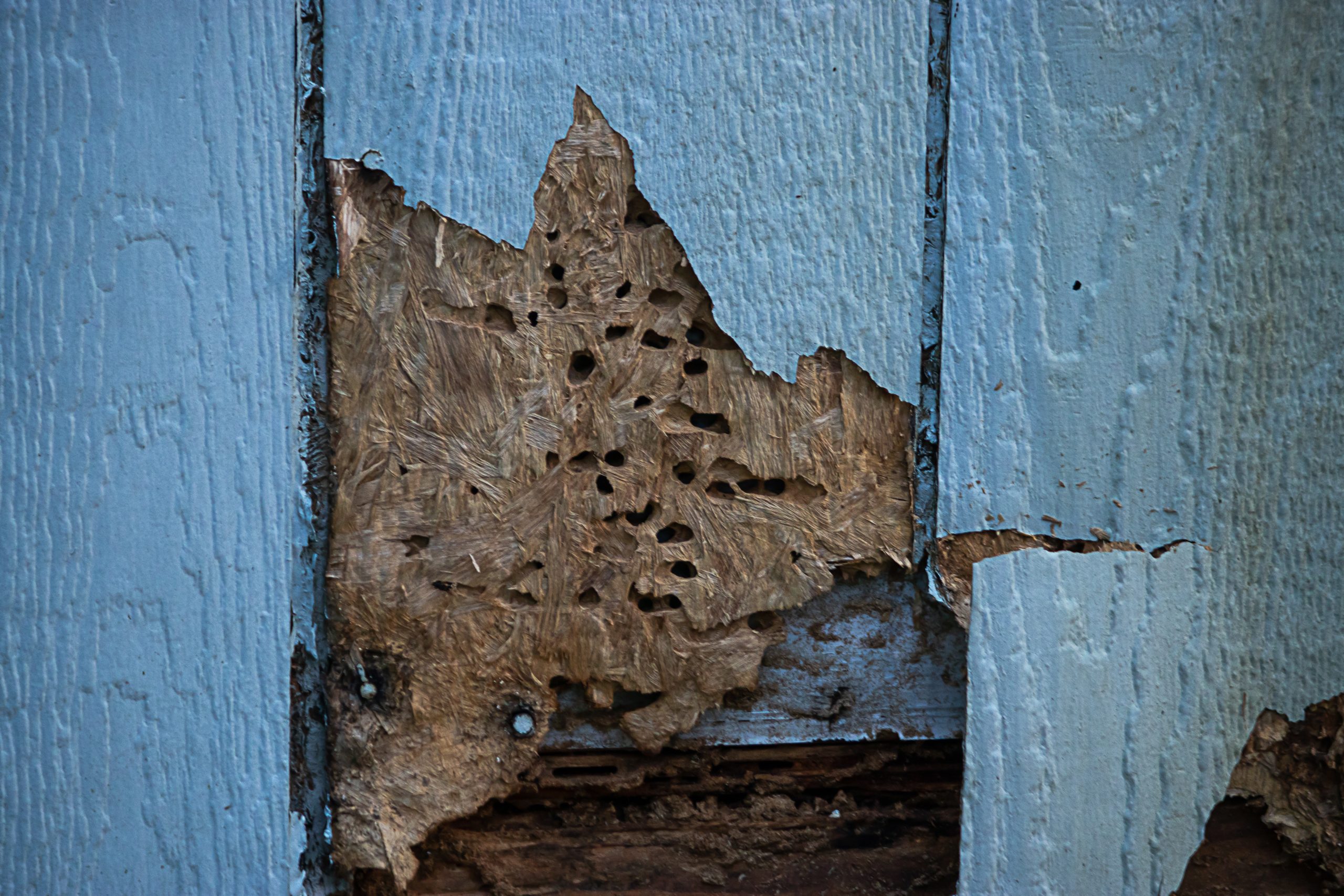
Insects and small pests are always looking for ways to get inside your home, especially during colder months. Gaps in siding, cracked panels, or moisture-softened materials give them an easy point of entry. Siding that resists wear and tear will naturally reduce the chances of unwanted guests sneaking inside. LP SmartSide siding, for example, is treated to resist damage from termites and other wood-eating insects. James Hardie siding is made from cement, sand, and cellulose, making it an unfriendly material for pests looking to burrow. In areas of Colorado where wooded areas are close to residential homes, having durable siding is essential for keeping out critters that could damage your home’s structure.
Long-Term Value with Low Maintenance
Homeowners want siding that lasts, especially when dealing with unpredictable weather conditions year after year. Durable siding requires less ongoing maintenance. Fiber cement siding resists fading and holds paint well over time. Steel siding is one of the strongest options available and stands up well to dents, scratches, and fire. These features are especially helpful for homeowners in areas of Colorado where hail and wildfire risk may be higher. By choosing materials built to last, you’ll spend less time on upkeep and avoid frequent repairs. That peace of mind adds value, both in terms of convenience and resale potential.
Signs Your Siding Might Need Replacing
Even the most durable siding has a lifespan. If your home’s exterior shows signs like warping, cracked boards, fading color, or visible mold growth, it may be time for an upgrade. Bubbling paint or soft spots can also indicate moisture damage behind the siding. A professional inspection can help determine whether repairs or a full replacement are needed. In some cases, siding damage may also be tied to past hailstorms, which means your insurance might help cover the cost.
Choosing the Right Siding for Colorado Homes
The best siding material for your home depends on your budget, your style preferences, and the specific weather concerns in your area. Our team at J&K Roofing installs a range of siding types, including James Hardie fiber cement, Norandex premium vinyl, LP SmartSide engineered wood, and steel siding. Each of these options brings its own strengths in protecting homes from Colorado’s wide range of weather conditions. If you’re considering a new siding project, it helps to understand not just how the siding looks, but how well it will hold up over time. Durable siding is an investment that protects your home and saves you money long term.
Upgrade Your Home’s Protection with J&K Roofing
Don’t let Colorado’s wild weather wear down your home. J&K Roofing has been serving homeowners in the Denver area and beyond for decades. Our team understands the unique needs in the various areas of Colorado and will walk you through your options and help you choose the right durable siding for your home’s needs. Reach out today for a no-obligation consultation and discover how much of a difference quality siding can make for your home.