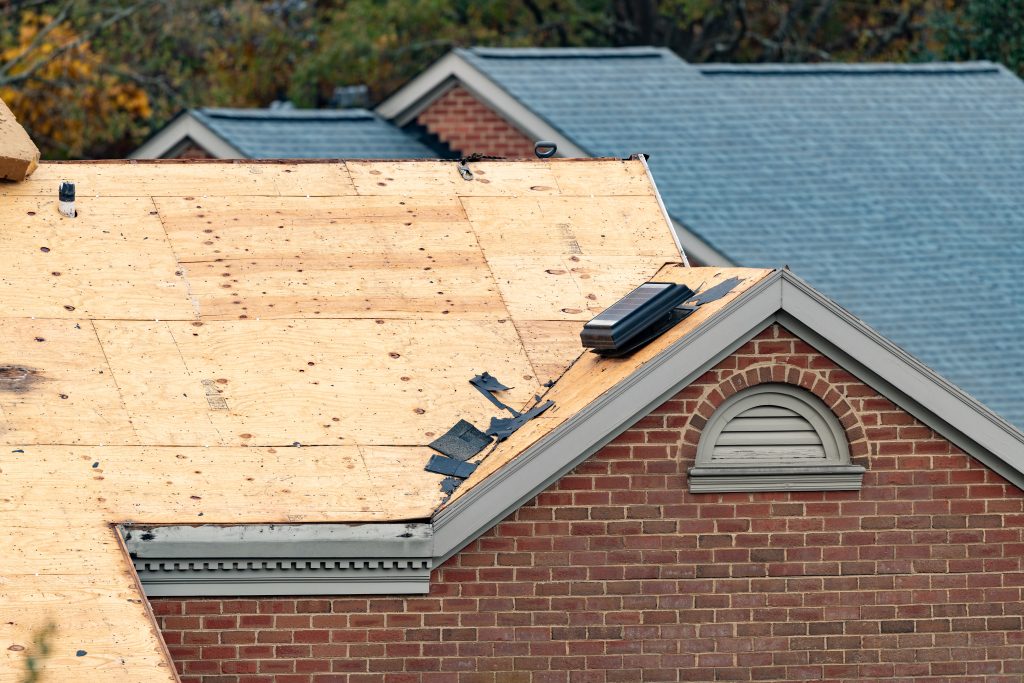
Replacement Cost vs Actual Cash Value for Roof Replacement
Colorado consistently ranks among the top 3 states in the U.S. for hail damage claims each year. So, homeowners across Denver and Golden know that hailstorms and sudden weather shifts can cause serious roof damage in a matter of minutes. As you prepare to file an insurance claim, understanding replacement cost vs actual cash value becomes one of the most important steps in protecting your investment. Many homeowners feel surprised by how much their insurance payout varies depending on the type of coverage they carry, which can directly impact how quickly and effectively they can restore their roof. Knowing how these two coverage types work will help you avoid unexpected costs and make more confident decisions during the claims process.
What Does Replacement Cost vs Actual Cash Value Mean?
Insurance policies generally fall into two categories when it comes to roof coverage, and the difference between them can significantly affect your financial outcome after a storm. Replacement cost value, often referred to as RCV, covers the full cost to replace your roof with similar materials at current market prices. Actual cash value, known as ACV, calculates your payout based on the depreciated value of your roof, factoring in age and wear. For homeowners in Denver and Golden, this distinction matters because roofing materials often endure intense UV exposure, temperature swings, and hail impacts. These environmental factors accelerate wear, which means depreciation can significantly reduce an ACV payout. Replacement cost vs actual cash value is not just an insurance term; it directly affects how much money you will need to contribute out of pocket after a storm.
How Does Replacement Cost Coverage Work?
Replacement cost coverage gives homeowners the ability to restore their roof without worrying about depreciation deductions. After your claim gets approved, your insurance company typically issues an initial payment based on the estimated value minus your deductible. Once your roofing contractor completes the work, the insurer releases the remaining balance, often called recoverable depreciation.
This structure benefits homeowners in areas like Golden, where hailstorms frequently cause widespread roof damage. Roofing materials like asphalt shingles, metal panels, or modified bitumen systems can be costly to replace, especially if labor and material prices have increased. Replacement cost vs actual cash value becomes especially important here because RCV ensures your roof gets restored to its pre-storm condition without forcing you to compromise on quality.
How Does Actual Cash Value Coverage Work?
Actual cash value coverage takes a different approach by factoring in depreciation from the start. Insurance companies determine your roof’s current value based on its age and condition, then subtract that depreciation from your payout. This means older roofs receive significantly lower reimbursements, even if the damage requires a full replacement.
Asphalt shingle roofs, the most common in Denver and Golden, typically last 15–30 years, which directly impacts depreciation under ACV policies. In neighborhoods where roofs may already be halfway through their lifespan, ACV policies can leave homeowners responsible for a large portion of the replacement cost. Replacement cost vs actual cash value often becomes a financial turning point, as many homeowners discover too late that their policy will not cover the full cost of restoring their roof after a severe hailstorm.
Why Does Replacement Cost vs Actual Cash Value Matter After Hail Damage?
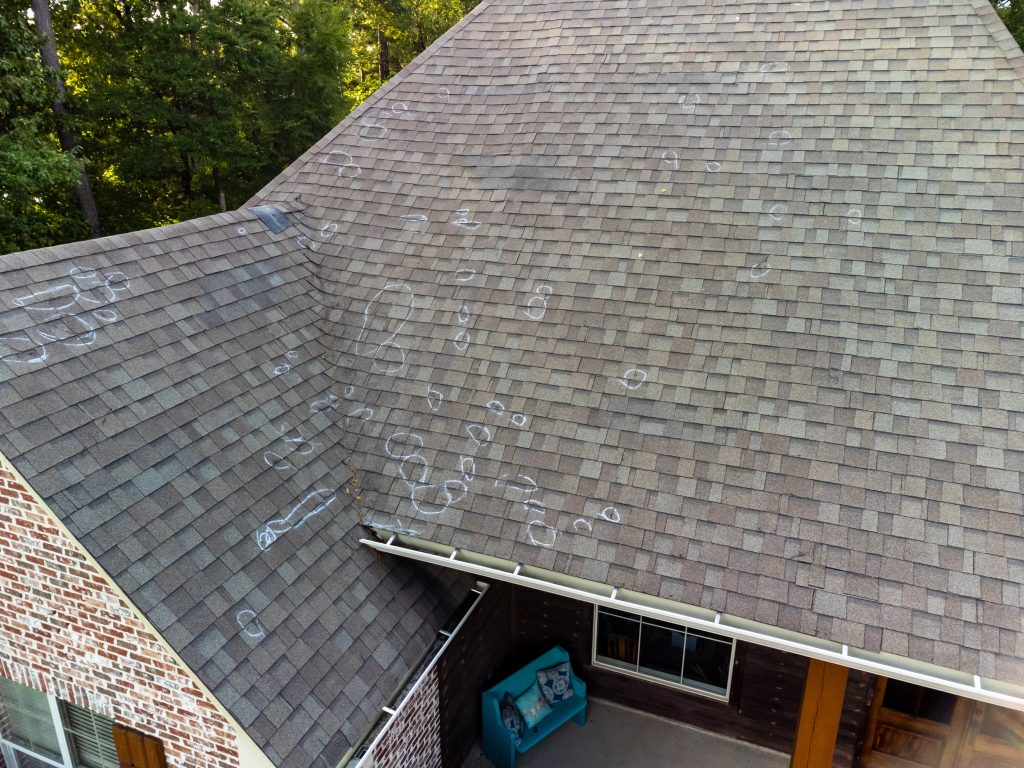
Colorado’s weather patterns make roof damage more than just an occasional concern. Large hailstones, high winds, and rapid temperature changes can weaken roofing systems quickly. After a major storm hits Denver or Golden, roofing companies often see entire neighborhoods needing repairs or full replacements.
Replacement cost vs actual cash value determines whether you can fully restore your home without financial strain. With RCV coverage, you can move forward with repairs using high-quality materials that match your existing roof. With ACV coverage, you may need to explore lower-cost options or delay repairs while covering the remaining balance out of pocket. This difference also affects long-term home value. A properly restored roof protects your property, improves energy efficiency, and maintains curb appeal. An underfunded repair due to ACV limitations can lead to further issues, including leaks, structural damage, and reduced resale value.
How Do Insurance Payouts Differ in Replacement Cost vs Actual Cash Value?
Here are two examples that can help you understand how the payout may differ between replacement cost vs actual cash value.
A homeowner in Denver files a claim after a hailstorm damages a 10-year-old asphalt shingle roof. The total replacement cost comes in at $20,000. With replacement cost coverage, the insurance company pays the full amount minus the deductible, often in two stages. Once the project finishes, the homeowner receives the full reimbursement and restores the roof without unexpected expenses.
Another homeowner next door has the same damage but carries an ACV policy. The insurance company calculates depreciation based on the roof’s age and condition, reducing the value to $10,000. After subtracting the deductible, the homeowner may only receive $7,000–$8,000, leaving a significant gap to cover before replacing the roof.
These examples highlight why replacement cost vs actual cash value plays such a critical role in financial planning after storm damage. The type of policy you hold can determine whether your insurance truly protects your home or leaves you managing large out-of-pocket costs.
Which Insurance Coverage Should Colorado Homeowners Choose?
Homeowners in hail-prone regions like Denver, Golden, and the surrounding areas often benefit more from replacement cost coverage because of the frequency and severity of storms. While ACV policies may come with lower premiums, they can lead to higher expenses when damage occurs. Replacement cost vs actual cash value should guide your decision when reviewing or updating your insurance policy. A slightly higher monthly premium for RCV coverage often results in significant savings during a claim. It also provides peace of mind, knowing your home can be restored without compromise.
When to Call a Professional Roofing Contractor
After a storm passes through your area, scheduling a professional inspection should be a priority. Even minor hail damage can weaken shingles, create hidden leaks, and shorten your roof’s lifespan. A qualified roofing contractor can document damage, provide accurate estimates, and assist you during the insurance claim process. Working with a trusted local contractor who knows the damage Colorado weather can do ensures that your inspection meets insurance standards and that your repair plan aligns with local building codes.
Restore Your Roof Confidently with J&K Roofing
Choosing between replacement cost vs actual cash value can feel overwhelming, especially when reading through confusing insurance terminology after a damaging storm, but you do not have to handle it alone. The team at J&K Roofing works closely with homeowners throughout Denver, Golden, and the surrounding areas to simplify the insurance process and ensure every roof receives the attention it deserves. If your home has experienced hail or storm damage, now is the time to get a clear understanding of your options. Reach out today to receive a detailed inspection and a no-obligation estimate that helps you move forward with confidence.