Why Proper Roof Ventilation Is Critical In Summer
Roof ventilation plays a major role in how well your home performs during the intense summer months in Colorado. Homeowners across Denver and nearby areas like Golden, CO often focus on shingles or insulation, but roof ventilation can also impact how comfortable and efficient a home feels when temperatures climb. Without a well-designed system, heat builds rapidly in the attic and begins to affect everything below it. A properly ventilated roof helps regulate temperature, manage moisture, and protect the structure of your home during the hottest part of the year in Colorado.
What Happens Inside Your Attic During a Colorado Summer?
Summer in the Denver area brings strong sun, low humidity, and frequent temperature swings. Those conditions cause attic temperatures to rise well above outdoor levels, sometimes reaching 130°F to 150°F on a typical sunny day. When roof ventilation does not allow that heat to escape, it settles into the attic and radiates downward into living spaces.
Heat Buildup and Energy Strain
Excess attic heat forces your air conditioning system to work harder than necessary. Improving attic thermal performance, including ventilation, can reduce cooling energy use by up to 10% in hot climates. That difference becomes noticeable during extended heatwaves common in Golden, CO and surrounding foothill communities. Ventilation supplies a continuous flow of air through the attic space.
Moisture Concerns in Dry Climates
Colorado’s climate may feel dry, but moisture still enters attics through everyday activities like cooking, showering, and laundry. When trapped heat mixes with this moisture, it creates conditions that can lead to mold growth and wood rot. Roof ventilation helps move any humid air out before it settles into insulation or structural components.
How Does Poor Roof Ventilation Affect Your Roof?
A roof without adequate ventilation often ages faster and develops issues that could have been avoided. Homeowners in Denver frequently notice premature wear without realizing the root cause starts in the attic. Without proper airflow, cooled indoor air struggles to maintain a consistent temperature, leading to uneven comfort throughout the home. Proper ventilation must be carefully calculated based on attic square footage and installed correctly to prevent these avoidable issues.
Shingle Damage and Reduced Lifespan
High attic temperatures bake shingles from underneath, causing them to crack, curl, or lose granules. Asphalt shingles already absorb heat from the sun, so added heat from below accelerates deterioration. Industry studies show that poor ventilation can reduce a roof’s lifespan by several years, leading to earlier replacement costs.
Warped Roof Decking
Roof decking, usually made from plywood or OSB, reacts to temperature and moisture changes. When heat and humidity remain trapped, the decking can warp or weaken. That structural stress may not appear immediately, but it can lead to uneven roof lines and costly repairs over time.
Ice Dam Risk Later in the Year
Summer ventilation problems often show up again in winter. Heat trapped in the attic melts snow on the roof, which later refreezes near the edges and creates ice dams. Homeowners in Golden, CO often deal with this cycle because mountain-adjacent weather patterns bring heavy snow followed by sunny days.
Why Is Roof Ventilation Especially Important in Denver and Golden, CO?
Colorado’s climate creates a unique challenge for roofing systems. High elevation means stronger UV exposure, which intensifies heat absorption on roofing materials. Homes in Denver and Golden experience rapid temperature shifts between day and night, placing additional stress on roofing systems that lack proper airflow.
Intense Sun Exposure
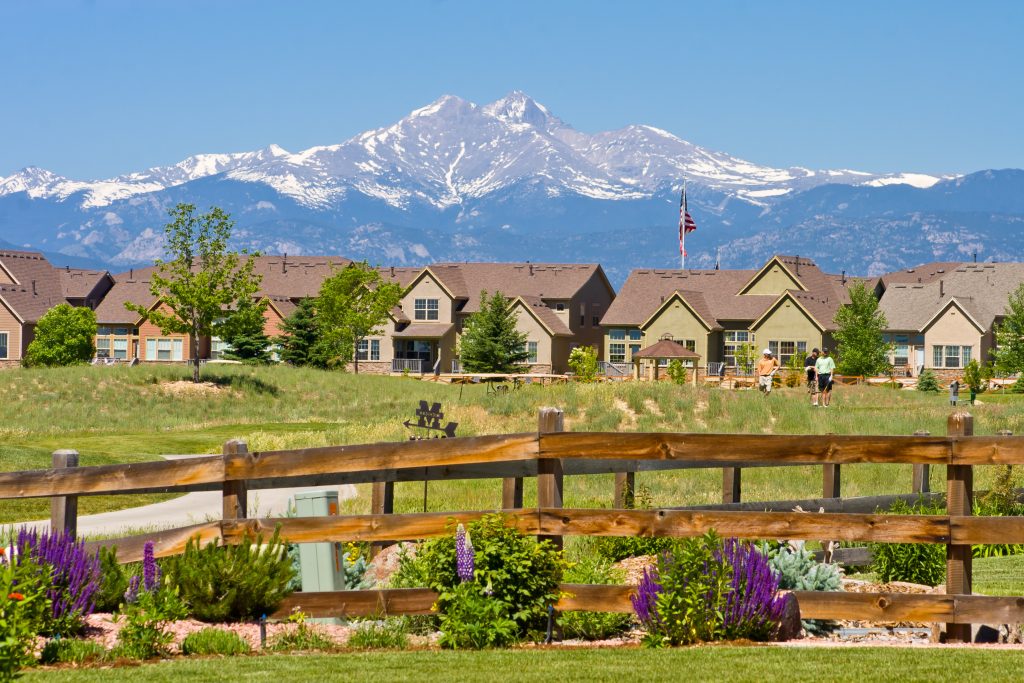
Higher elevation and more sunny days in Colorado mean more solar radiation reaches your roof. That increased exposure raises attic temperatures quickly, especially during clear summer days. Roof ventilation allows hot air to escape before it builds to damaging levels.
Temperature Swings
Day-to-night temperature differences can exceed 30 degrees in some parts of the Front Range. That constant expansion and contraction affects roofing materials, and poor ventilation amplifies the problem by trapping heat longer than necessary.
Storm and Hail Considerations
Summer storms often bring hail to the Denver metro area. While ventilation does not prevent hail damage, it helps maintain the overall strength of roofing materials. A well-ventilated roof system stays closer to its intended performance level, making it more resilient over time.
What Are the Signs Your Roof Ventilation Needs Attention?
Many homeowners do not realize they have a ventilation issue until visible problems appear. Recognizing early signs can help prevent larger repairs.
Rising Energy Bills
If cooling costs increase without a clear explanation, trapped attic heat could be contributing to the problem. Air conditioning systems must compensate for the extra heat load, causing bills to rise.
Uneven Indoor Temperatures
Rooms on upper levels may feel warmer than the rest of the house. That imbalance often points to poor airflow in the attic and is worth investigating to keep every floor of your home comfortable.
Visible Roof Wear
Curling shingles, fading, or granule loss can indicate excessive heat exposure. These signs often appear sooner on roofs with inadequate ventilation. It’s important to have a professional take a look at issues like these to determine the root cause.
Musty Odors or Damp Insulation
Moisture buildup can create odors or damp spots in insulation. Even in a dry climate like Colorado, poor airflow allows humidity to linger.
What Types of Roof Ventilation Systems Work Best?
Different homes require different ventilation systems, but the most effective systems use a combination of intake and exhaust vents. This setup allows cool air to enter while hot air exits, creating continuous airflow.
Ridge Vents and Soffit Vents
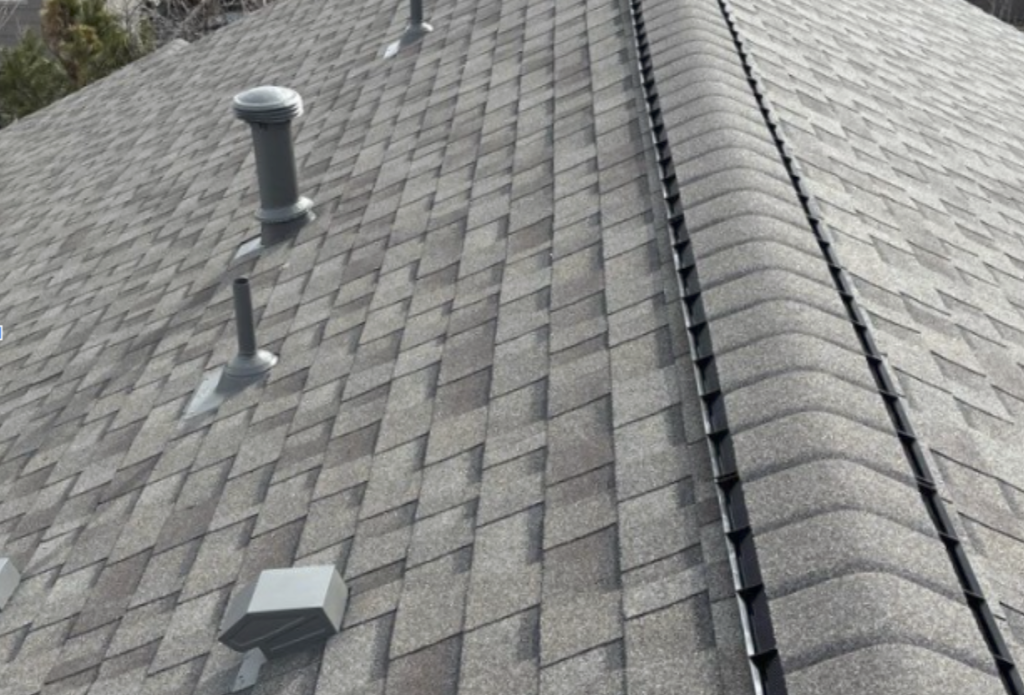
Ridge vents run along the peak of the roof and allow hot air to escape naturally. Soffit vents sit under the eaves and bring in cooler outside air. Together, they create balanced ventilation that works efficiently during Colorado summers.
Attic Fans and Advanced Systems
Some homes benefit from powered attic fans, especially those with complex roof designs. These systems actively move hot air out, which can provide additional support during extreme heat.
When Should You Call a Professional?
Roof ventilation involves more than adding vents. Proper design requires an understanding of airflow, roof structure, and insulation levels. A professional roofing contractor can evaluate your current system and identify areas that need improvement. If your home in Denver or Golden, CO shows signs of heat buildup, moisture issues, or early roof wear, scheduling an inspection makes sense. A trained expert can recommend solutions that match your home’s layout and local climate conditions. Attempting to fix ventilation without proper planning can create imbalances that reduce effectiveness and damage.
Ready for a Cooler, More Efficient Home This Summer? Call J&K Roofing.
A well-designed roof ventilation system helps protect your home, lower energy costs, and extend the life of your roof during Colorado’s demanding summer season. Homeowners in Denver and Golden, CO benefit from solutions tailored to high elevation and intense sun exposure, especially when ventilation works alongside quality roofing materials. J&K Roofing provides expert evaluations and customized recommendations to ensure your home stays comfortable and protected. Reach out today to schedule a free, no-obligation consultation and take the first step toward a more comfortable Colorado summer.