Do Your Gutters Drain Properly?
Spring storms across Colorado often bring steady rain, melting snow, and unpredictable weather patterns that can put extra strain on your home’s exterior systems. Your gutter drains play a critical role during this time by guiding water safely away from your roof and foundation, which helps prevent damage that can become expensive and stressful to fix. When those gutter drains stop working the way they should, water tends to collect in the wrong places and create problems that go far beyond a simple clog. Taking the time to understand how your system performs before the rainy season ramps up can make a noticeable difference in protecting your home.
How Important is Proper Gutter Drainage?
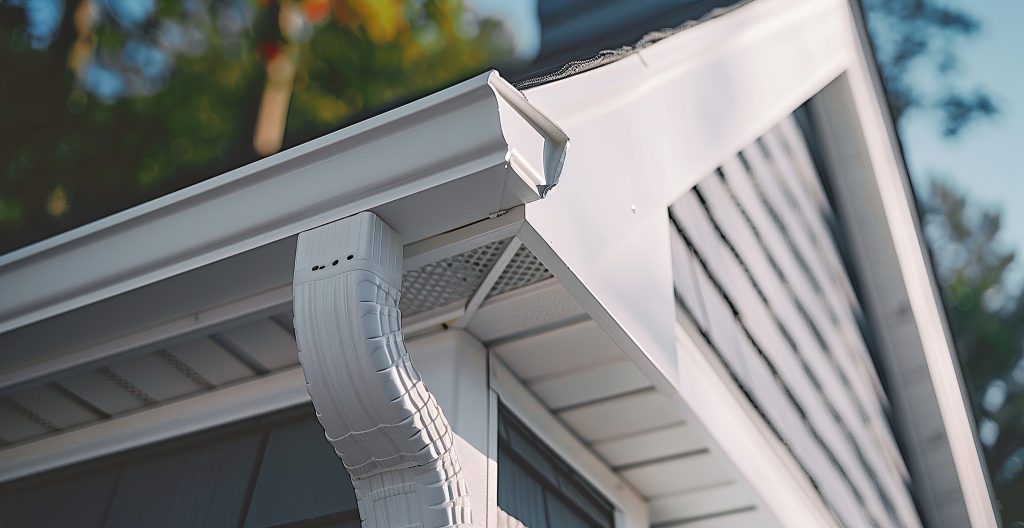
A well-functioning gutter system does much more than catch rainwater as it runs off your roof, because it also controls how that water leaves your property. When gutter drains move water efficiently through downspouts and away from your home, they help prevent moisture from settling near your foundation or seeping into areas where it does not belong. A 1,000 square foot roof can shed over 600 gallons of water from just 1 inch of rain, so without that proper flow, large amounts of water can begin to pool around the base of your home. As spring storms bring heavier rainfall to areas like Denver, Golden, and Lakewood, these issues can develop more quickly than many homeowners expect.
How Can You Tell If Your Gutters Aren’t Draining Properly?
Recognizing early warning signs can help you address drainage issues before they turn into larger repairs. Several indicators can reveal whether your gutter drains are doing their job effectively.
Water Overflow During Rainstorms
Watching your gutters during a steady rain can provide valuable insight into how well they function. When water pours over the sides instead of flowing smoothly through the system, it usually points to a blockage or an issue with the gutter’s slope. Properly working gutter drains should guide water toward the downspouts without spilling over, even during heavier rainfall.
Pooling Water Around Your Foundation
After a storm passes, taking a walk around your home can reveal whether your drainage system is working as intended. If you notice standing water near the foundation, there is a strong chance your gutter drains are not directing water far enough away. Downspouts should carry water several feet from your home to reduce the risk of moisture-related damage. Pooling water may seem minor at first, yet it can gradually lead to foundation cracks, basement leaks, and soil erosion. Improper drainage is responsible for over 60% of basement moisture problems.
Sagging or Detached Gutters
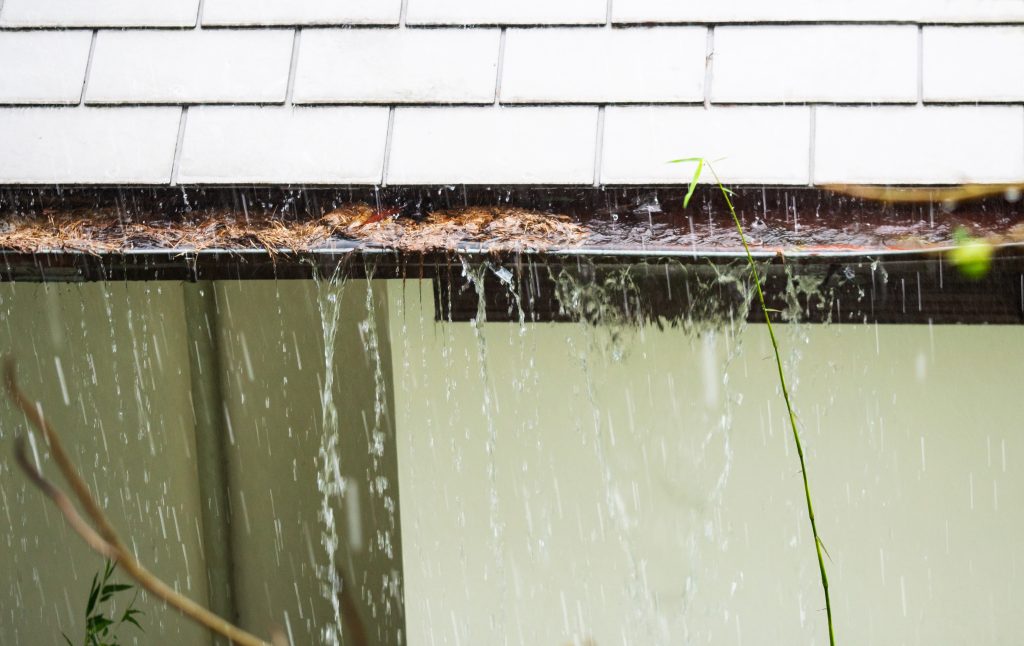
Gutters should maintain a consistent alignment along your roofline with a slight pitch that encourages water to move in the right direction. When sections begin to sag or pull away from the fascia, water can collect instead of draining properly through the system. This issue often develops when debris adds extra weight or when fasteners loosen over time. Once the structure of the gutter shifts, the effectiveness of your gutter drains decreases, which can result in both overflow and standing water.
Downspouts That Don’t Discharge Water Properly
Downspouts serve as the exit point for your entire gutter system, so any disruption in their function can create noticeable problems. When water trickles slowly, backs up, or spills out at the seams instead of exiting at the bottom, a clog or obstruction is likely present. Pressure buildup inside the system can also force water out through joints, which may lead to damage along your siding or foundation.
What Causes Gutter Drainage Problems?
Understanding what leads to poor gutter performance can make it easier to keep your gutter drains working efficiently throughout the year.
Debris Buildup
Leaves, twigs, dirt, and shingle granules tend to collect inside gutters over time, especially after fall and winter. Without routine cleaning, this debris can form dense blockages that restrict water flow and cause backups during rainstorms. Most homes in the Denver area require gutter cleaning at least twice per year, though homes with heavy tree coverage may need cleaning 3–4 times annually.
Improper Gutter Pitch
Gutters rely on a slight slope to guide water toward the downspouts. If that angle becomes uneven due to installation issues, storm damage, or gradual shifting, water may remain trapped in certain sections instead of draining as intended.
Damaged or Aging Components
Cracks, loose connections, and worn materials can interfere with how water moves through the system. Older gutters may also struggle to handle the increased volume of water that often comes with spring storms.
Insufficient Downspouts
Some homes do not have enough downspouts to handle the amount of water their roofs collect. When that happens, even properly installed gutters can become overwhelmed, which affects how well the gutter drains perform.
Why Spring Storm Season Raises the Stakes
Spring weather in Denver and Golden often brings heavier and more frequent rainfall, along with melting snow that increases the volume of water your gutters must handle. A system that seemed fine during colder months can quickly show signs of stress when faced with these conditions. Preparing your system ahead of time helps ensure it can manage these seasonal changes without putting your home at risk.
When Should You Call a Professional for Gutter Issues?
Certain issues call for more than routine maintenance, especially when problems persist or signs of damage begin to appear inside your home. A professional inspection can identify underlying concerns that may not be immediately visible and provide solutions tailored to your specific situation. Roofing and exterior specialists can evaluate your entire system, recommend improvements, and ensure your gutter drains operate efficiently. Many homeowners in Denver and surrounding areas schedule inspections in early spring to stay ahead of potential problems.
Get Ahead of Spring Storms with a Gutter Evaluation
Keeping your gutter drains in proper working condition helps protect every part of your home, from the roof down to the foundation, especially during a season known for heavy rain and unpredictable weather in the Denver area. Small drainage issues can quickly grow into larger concerns if they go unaddressed, which makes early attention a smart investment in your home’s long-term condition.
J&K Roofing offers professional inspections, repairs, and gutter solutions designed to keep water moving exactly where it should go. Reach out today to schedule your no-obligation estimate and feel confident that your home is ready for whatever the Colorado spring season brings.