Tips for Getting Rid of Ice Dams on Your Roof
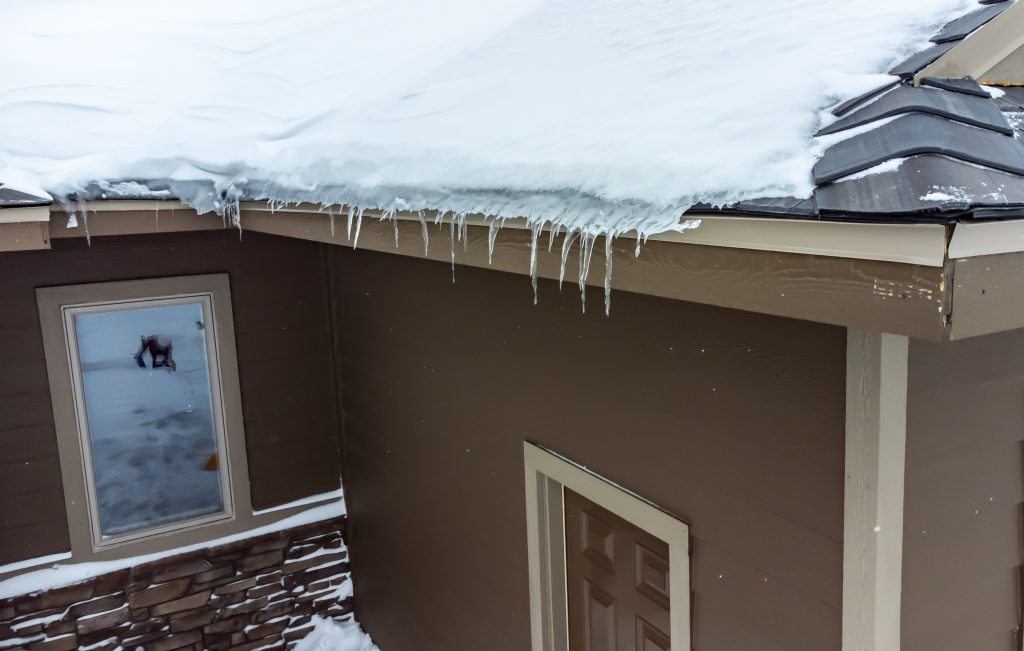
Ice dams are one of the most frustrating winter issues Colorado homeowners face. When snow melts on a warm section of your roof and refreezes near the colder edges, it creates a dam of ice that can cause serious damage. Water backs up behind the ice and seeps under shingles, leading to leaks, ruined insulation, and costly repairs. Getting rid of ice dams on roof surfaces quickly and keeping them from forming in the first place can save your roof, gutters, and attic. Here are practical steps you can take to remove and prevent ice dams so your roof stays protected all winter long.
How Ice Dams Form and Why They’re a Problem
When your attic is warmer than the outdoor temperature, it causes snow on the roof to melt. This melted snow runs down to the eaves, where it refreezes. Over time, this builds up a thick layer of ice that prevents proper drainage. The longer it stays in place, the more damage it does. Ice dams can lift shingles, damage gutters, and soak your attic insulation. Moisture inside the attic also increases the risk of mold. If you’ve seen icicles hanging from your gutters or water stains on your ceiling, your home may already be dealing with ice dam damage.
Safe Ways to Remove Ice Dams
Use a Roof Rake After Snowfall
The most effective way to start getting rid of ice dams on roof edges is to use a long-handled roof rake to remove snow from the first few feet of your roof after every snowfall. This prevents snow from melting and turning into ice at the eaves. A roof rake with wheels or bumpers will protect your shingles from damage. Never try to climb onto a snowy or icy roof to shovel snow. This is extremely dangerous and unnecessary.
Apply Ice Melt (But Choose the Right Type)
You can help break up ice dams by applying calcium chloride ice melt. Fill a nylon stocking or mesh bag with the ice melt and lay it vertically across the ice dam. This helps melt a channel through the ice, allowing water to drain off the roof. However, avoid using rock salt as it’s too harsh and can damage your roofing materials, metal flashings, and plants below.
Contact a Professional Roofing Company
Professional roofers use steamers to safely and quickly melt away ice dams without damaging shingles. If the dam has built up too much or you already see water damage inside your home, it’s best to call a roofing expert. Trying to chip away the ice yourself can lead to broken shingles or injury.
Preventing Ice Dams Before They Start
Improve Attic Insulation
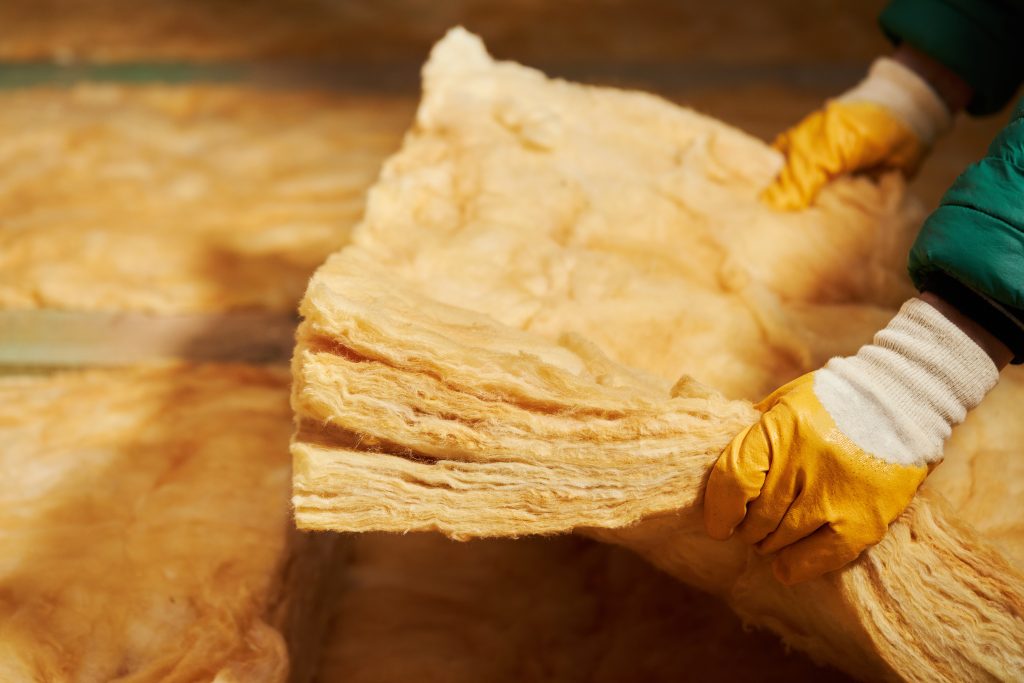
Poor attic insulation lets heat escape, which causes uneven roof temperatures. That’s what gets the snow melting and freezing at the eaves. Adding insulation to your attic floor keeps the heat in your living space, where it belongs, and helps maintain a uniform roof temperature. Look for spots where insulation is thin or missing, especially around recessed lights or ventilation ducts. Sealing these gaps can make a big difference in preventing ice dam formation.
Ensure Proper Ventilation
Good attic ventilation keeps cold air flowing under your roof deck, preventing warm spots that lead to ice damming. A well-balanced ventilation system includes soffit vents, ridge vents, or gable vents. These work together to keep the attic temperature closer to the outdoor temperature, reducing the risk of snow melt. Blocked or inadequate ventilation traps warm, moist air inside your attic, leading to condensation and ice dams. A roofing professional can inspect and adjust your ventilation system if needed.
Seal Air Leaks
Warm air rises and escapes through unsealed gaps in the ceiling, light fixtures, plumbing vents, and attic access points. Sealing these leaks with foam or caulk prevents heat loss and helps reduce the temperature difference between your attic and the outside air. Preventing heat from leaking into your attic is one of the most cost-effective ways to avoid getting rid of ice dams on roof sections year after year.
Long-Term Solutions That Really Work
Install Heated Cables
Roof heating cables, also called heat tape, can be installed along the edge of your roof and inside gutters to prevent ice from forming. When snow starts to melt, the cables warm up and help the water flow off the roof instead of refreezing. They’re especially helpful for areas prone to ice dam formation. While not a replacement for proper insulation and ventilation, heating cables can be a great addition if your roof has complex angles or valleys where snow tends to collect. Just remember to turn on heat tape prior to a storm.
Upgrade Your Roof If Needed
Older roofs or roofs with poor insulation may continue to struggle with ice dams no matter what preventive steps you take. If your roof is nearing the end of its lifespan, a replacement with improved insulation, modern materials, and updated ventilation may be the best way to avoid ice dam problems for good. J&K Roofing specializes in roof replacements for Colorado homes and can assess whether your roofing system is holding up against winter conditions.
When to Call a Professional
Getting rid of ice dams on roof surfaces isn’t always something you can do safely on your own. If your gutters are overflowing with ice, your ceiling is leaking, or large icicles are forming regularly, it’s time to call a roofing expert. Professional roofing teams have the tools, training, and experience to safely remove ice dams and repair any underlying damage. They can also recommend permanent solutions tailored to your home’s needs.
Stop Ice Dams Before They Damage Your Home
If your roof has already dealt with snow and ice this winter, or if you’re preparing for the next storm, now is a great time to act. J&K Roofing helps homeowners throughout Denver and surrounding cities like Lakewood, Arvada, Aurora, and Castle Rock protect their roofs from winter damage. Whether you need immediate ice dam removal or want to upgrade your insulation and ventilation, our experienced team can help.
Don’t wait until you’re dealing with ceiling leaks or soaked insulation. Getting rid of ice dams on roof sections early can prevent expensive repairs later. Contact J&K Roofing for an estimate and expert help with your winter roofing needs.