What Winter Weather Can Do to a Hail Damaged Roof
Colorado winters can be brutal. From freezing temperatures to heavy snowfalls and high winds, the weather takes a toll on every part of a home, especially the roof. If your home has a hail damaged roof, winter can quickly make things worse. Hail damage might seem like a summer problem, but when that damage isn’t repaired before cold weather sets in, it opens the door for costly issues down the road.
Why Hail Damage Should Never Be Ignored Before Winter
A roof that’s been hit by hail often shows signs like dented shingles, cracked tiles, or even granule loss. These issues may appear minor, but they weaken the roof’s protective barrier. Once winter hits, snow and ice begin to exploit these vulnerabilities. Moisture can seep into even the smallest cracks caused by hail, freeze, and expand, widening the damage. The freeze-thaw cycle is especially destructive. Water sneaks in through compromised shingles or seams, freezes overnight, and then thaws again during the day. Each cycle causes expansion and contraction, which worsens the hail damage roof situation. Small cracks can grow into significant leaks in just a few weeks.
Snow and Ice Put Extra Pressure on a Damaged Roof
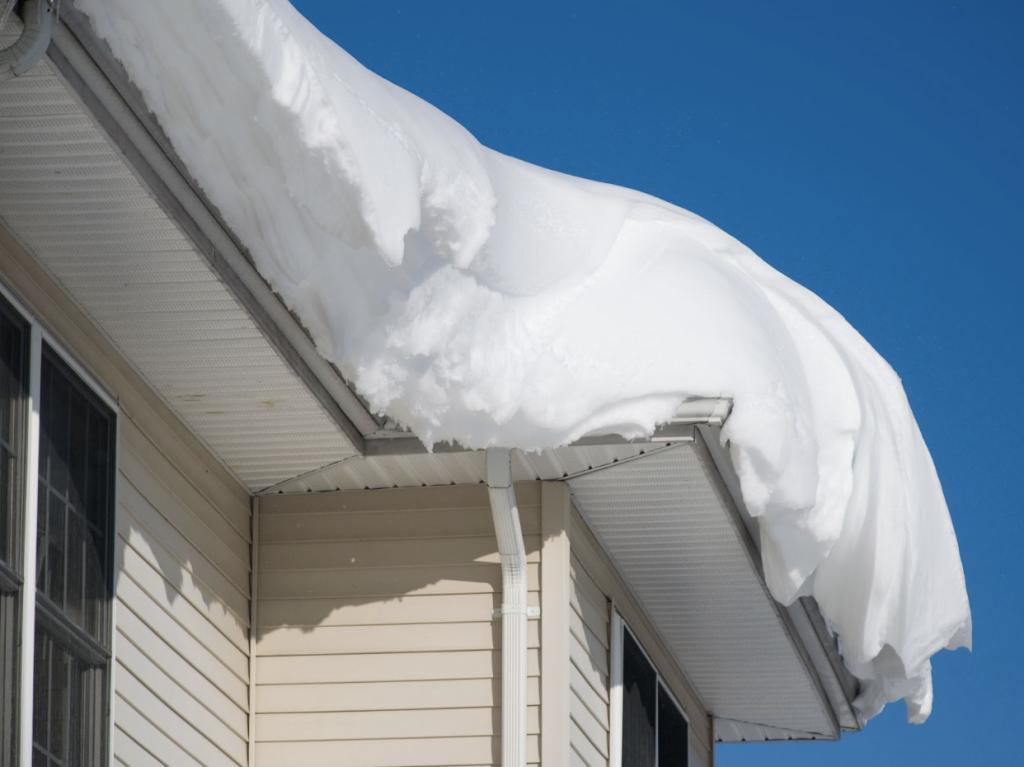
Winter snow may look beautiful and harmless up on your roof, but it’s surprisingly heavy. A square foot of snow can weigh up to 21 pounds, depending on moisture content. If a roof has already sustained hail damage, the structure underneath may no longer be able to support the extra weight safely. This creates a risk for sagging, leaks, or in extreme cases, partial collapse. Ice dams are another winter hazard made worse by hail damage. These ridges of ice form along the edges of your roof and prevent melting snow from draining properly. When water backs up behind an ice dam, it often seeps under shingles and into your attic. A hail damage roof is far more susceptible to this kind of leak because the surface is already compromised.
Hidden Damage Can Turn Into Major Repairs
One of the biggest concerns with a hail damage roof is what you can’t see. Many homeowners don’t realize the full extent of the impact until the problem becomes visible inside the home. Winter accelerates this hidden damage. Moisture finds its way into the attic or ceiling insulation, leading to mold, mildew, and wood rot. By the time spring rolls around, what started as a few hail strikes on the roof could become a major repair involving structural components, drywall, and even electrical systems if leaks reach light fixtures or wiring. All of this can be avoided by addressing roof damage promptly.
Insurance Claims Are Easier to Handle Before Winter
Many homeowners plan to file an insurance claim after hail season, but put it off thinking they have time. However, once winter hits and the damage gets worse, it becomes harder to prove which problems were caused by hail and which were a result of snow and ice. This can complicate the claims process and reduce the amount you’re eligible to receive. Taking action early gives you a better chance of getting your hail damage roof fully covered. A qualified roofing contractor can document the damage accurately and help you navigate the process before weather conditions make it harder.
How to Spot Signs That Your Roof Needs Help Before Winter

Visible Clues of a Hail Damage Roof
If you suspect your roof took a hit from hail earlier in the year, walk around your property and look for signs like:
- Dented or missing shingles
- Black spots on shingles from missing granules
- Dented gutters or downspouts
- Leaks in the attic after rain
These signs can indicate your roof needs repairs before winter arrives. Even if you’re unsure, it’s smart to schedule an inspection with a roofing professional. They can catch damage that’s easy to miss from the ground.
Gutters and Siding Can Also Show Signs
Sometimes the first signs of a hail damage roof aren’t on the roof at all. Gutters and siding are often damaged in the same storm. Look for denting or chipped paint. If your gutters or siding show signs of impact, there’s a good chance your roof took damage too.
Preparing a Hail Damaged Roof for Colorado Winters
If your roof has hail damage, the best solution is to address it before the first snowfall. A proper inspection will uncover both visible and hidden issues. Roofing professionals will check areas where leaks often begin, including flashing, valleys, vents, and seals. Minor repairs can stop winter weather from turning a manageable issue into a full replacement. In some cases, it may be smarter to replace the roof altogether, especially if the damage is widespread. J&K Roofing offers a range of roofing materials suited for Colorado’s winter weather, including asphalt shingles, metal roofing, and low-slope systems. Each option offers durability and performance in cold climates.
Have You Been Ignoring Hail Damage?
A hail damaged roof can become a serious risk when temperatures drop and snow piles up. Ignoring that damage puts your home at risk for leaks, structural problems, and expensive repairs. The sooner you act, the easier it is to protect your home and get help from your insurance company if needed. If you’re not sure whether your roof took hail damage this year, it’s worth getting a professional opinion. An inspection gives you peace of mind and helps you plan any necessary repairs before winter weather makes them worse.
Secure Your Home Before the Snow Falls
Colorado winters won’t wait, and neither should you. If your roof was hit by hail this year, don’t leave it vulnerable to snow, ice, and freezing temperatures. J&K Roofing has helped thousands of homeowners throughout Denver and the surrounding areas protect their homes with expert inspections and trusted repairs. Call us today at 303-425-7531 or go online to schedule your no-obligation estimate and get your roof winter-ready. Let’s stop that hail damage from becoming a winter disaster.